7 Common Orthopedic Surgeries: Prevention and Remedies
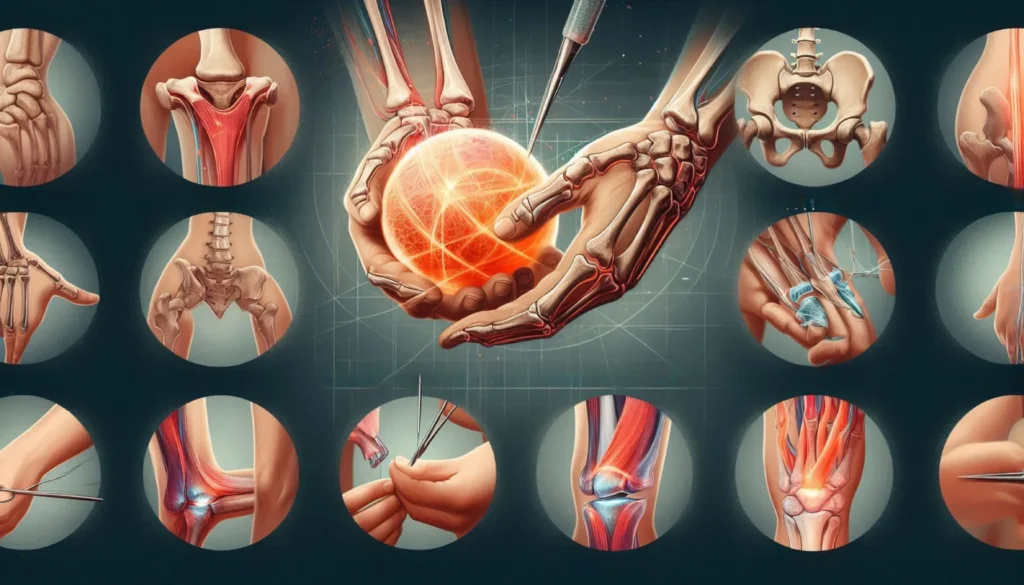
7 Common Orthopedic Surgeries: Prevention and Remedies for Joint Health Introduction Orthopedic surgeries are among the most common procedures performed worldwide, addressing various conditions related to the bones, joints, and muscles. From joint replacements to fracture repairs, these surgeries can significantly improve a patient’s quality of life by restoring mobility and reducing pain. However, understanding these procedures of Common types of orthopedic surgeries, the reasons behind them, and how to prevent the need for such surgeries can be invaluable for maintaining long-term orthopedic health. In this article, we’ll explore some of the most common types of orthopedic surgeries, the underlying causes for these procedures, and provide practical tips and remedies to help you prevent orthopedic issues. 1. Joint Replacement Surgery What is Joint Replacement Surgery? Joint replacement surgery, particularly hip and knee replacements, is one of the most common types of orthopedic surgeries. These procedures involve replacing a damaged joint with a prosthetic implant, providing relief from pain and restoring function. Causes Severe arthritis, particularly osteoarthritis, primarily drives the need for joint replacement surgery due to cartilage breakdown and joint wear and tear. Other causes include joint injuries, congenital joint abnormalities, or conditions like rheumatoid arthritis. Prevention Tips Maintain a Healthy Weight: Excess body weight puts additional stress on joints, particularly the knees and hips, increasing the risk of arthritis. Maintaining a healthy weight through diet and exercise can help preserve joint health. Stay Active: Regular physical activity helps to keep joints flexible and strengthens the muscles around them, reducing the risk of joint problems. Protect Your Joints: Avoid repetitive motions that can lead to joint wear and tear. Use proper techniques when lifting heavy objects and take breaks during activities that stress your joints. 2. Arthroscopy Understanding Arthroscopy: A Minimally Invasive Procedure Arthroscopy is a minimally invasive surgical procedure for diagnosing and treating joint problems. It involves inserting a small camera (arthroscope) into the joint through a small incision, allowing the surgeon to see inside the joint without making a large cut. Causes Arthroscopy is often used to treat conditions such as torn cartilage, damaged ligaments, or inflamed joint linings. It’s commonly performed on the knee, shoulder, elbow, and ankle joints. Prevention Tips Strengthen Surrounding Muscles: Strong muscles support and stabilize your joints, reducing the risk of injury that might require arthroscopic surgery. Warm-Up Properly: Always warm up before physical activities to prepare your muscles and joints for movement, reducing the risk of injury. Listen to Your Body: Stop and rest if you experience pain during activities. Ignoring pain can lead to further joint damage and the need for surgical intervention. 3. Fracture Repair Surgery When is Fracture Repair Surgery Needed? Patients require fracture repair surgery when a bone breaks and cannot heal properly on its own. This surgery may involve the use of metal plates, screws, or rods to stabilize the bone as it heals. Causes Fractures can occur due to accidents, falls, or high-impact sports injuries. Osteoporosis, a condition that weakens bones, can also increase the risk of fractures, especially in older adults. Prevention Tips Bone Health Maintenance: Ensure adequate intake of calcium and vitamin D to keep your bones strong and reduce the risk of fractures. Fall Prevention: Implement measures to prevent falls, especially in older adults. This includes keeping living spaces clutter-free, using non-slip mats, and wearing appropriate footwear. Protective Gear: Use protective gear, such as helmets and pads, when engaging in sports or activities that have a high risk of injury. 4. Spinal Surgery The Role of Spinal Surgery in Orthopedic Health Spinal surgery can range from procedures to relieve pressure on nerves, such as decompression surgery, to more complex surgeries like spinal fusions. Patients with spinal conditions often need these surgeries to alleviate pain and restore function. Causes Spinal surgery is typically performed to treat conditions such as herniated discs, spinal stenosis, scoliosis, or degenerative disc disease. Prevention Tips Posture Awareness: Maintaining good posture can help prevent spinal problems. Avoid slouching and ensure that your workspace is ergonomically designed. Regular Exercise: Strengthen your core muscles through regular exercise, as a strong core supports your spine and reduces the risk of back problems. Proper Lifting Techniques: Always lift objects by bending your knees and keeping your back straight to avoid straining your spine. 5. ACL Reconstruction Surgery Understanding ACL Reconstruction ACL (anterior cruciate ligament) reconstruction is a surgical procedure to repair a torn ACL, which is a key ligament in the knee that helps stabilize the joint. This surgery is common among athletes who engage in sports that involve sudden stops and changes in direction. Causes ACL injuries often occur during sports activities such as football, basketball, and skiing, where quick pivoting or sudden stops are required. Prevention Tips Strengthen Knee Muscles: Regularly engage in exercises that strengthen the muscles around your knee to provide better support and reduce the risk of ACL injuries. Proper Technique: Learn and use proper techniques when playing sports to avoid unnecessary strain on your knees. Wear Appropriate Footwear: Use footwear that provides adequate support and grip, especially when playing sports on uneven or slippery surfaces. 6. Rotator Cuff Repair Addressing Shoulder Pain with Rotator Cuff Repair Rotator cuff repair surgery is performed to fix a torn tendon in the shoulder. A group of muscles and tendons known as the rotator cuff stabilizes the shoulder joint. Causes Rotator cuff injuries often result from repetitive shoulder motions, heavy lifting, or direct trauma to the shoulder. Age-related wear and tear can also weaken the tendons, leading to tears. Prevention Tips Avoid Overuse: Limit activities that involve repetitive overhead motions, which can strain the rotator cuff tendons. Strengthen Shoulder Muscles: Engage in exercises that strengthen the shoulder muscles to reduce the risk of injury. Use Proper Form: When lifting objects or playing sports, use proper form to avoid putting excessive strain on your shoulder. 7. Carpal Tunnel Release Surgery Relieving Wrist Pain with Carpal Tunnel Release Carpal tunnel release surgery is performed to relieve pressure on the median nerve in the
Strengthen Your Bones and Joints: 10 Essential Lifestyle Tips
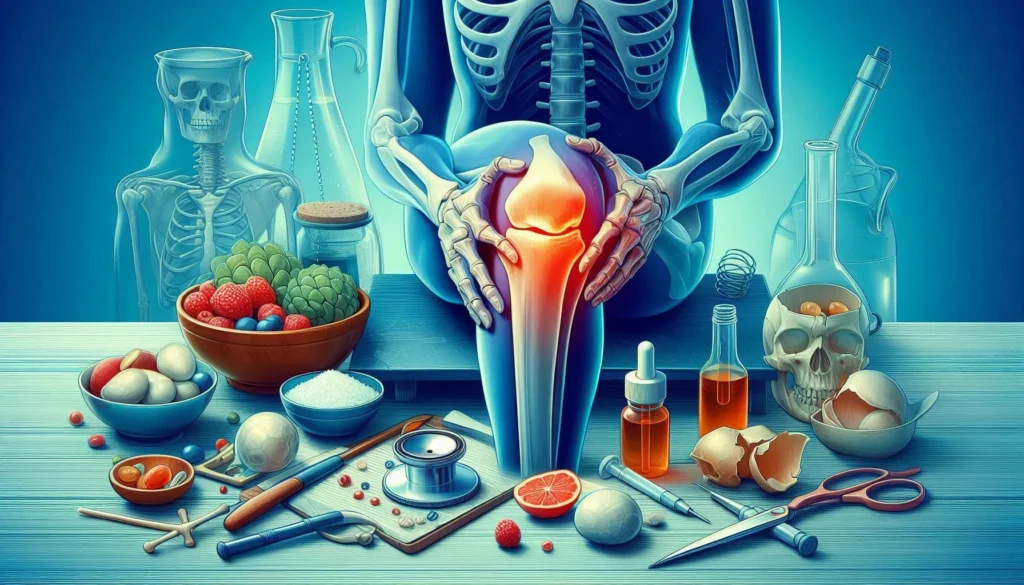
How To Strengthen Your Bones and Joints: 10 Essential Lifestyle Changes for Orthopedic Health Introduction Strong, healthy bones and joints are the foundation of an active and pain-free life. While factors like genetics and age play a role, many aspects of bone and joint health are within your control. By making conscious lifestyle changes, you can significantly reduce the risk of orthopedic issues and improve your overall well-being. This article will delve into 10 essential steps to strengthen your bones and joints for long-term orthopedic health.. Understanding Bones and Joints Health Before exploring lifestyle modifications, it’s crucial to understand the basics of bone and joint health. Our bones are living tissues that constantly break down and rebuild. This process, called remodeling, is essential for maintaining bone density and strength. Joints, on the other hand, are the points where two or more bones connect. They enable movement but are susceptible to wear and tear. Key Lifestyle Changes for Bone and Joint Health 1. Prioritize a Calcium-Rich Diet One of the most effective ways to strengthen your bones and joints is to ensure you’re getting enough calcium. Calcium is the primary building block of bone tissue, and a deficiency can lead to weakened bones and a higher risk of fractures. Incorporate calcium-rich foods such as dairy products, leafy green vegetables, almonds, and fortified cereals into your daily diet. For those who are lactose intolerant or vegan, calcium-fortified plant-based milk like almond, soy, or oat milk are excellent alternatives. Key Tip Adults generally need about 1,000 mg of calcium per day, with an increased requirement of 1,200 mg for women over 50 and men over 70. 2. Increase Your Vitamin D Intake Vitamin D is essential for calcium absorption and bone health. Without adequate vitamin D, your body cannot effectively absorb the calcium you consume, leading to weaker bones. The best source of vitamin D is sunlight, so try to spend 10-30 minutes in the sun several times a week. Foods like fatty fish, egg yolks, and fortified foods can also provide vitamin D. Key Tip If you live in a region with limited sunlight, consider taking a vitamin D supplement to meet your daily needs. 3. Incorporate Weight-Bearing Exercises Regular physical activity, particularly weight-bearing exercises, is crucial for maintaining bone density and joint strength. Activities like walking, jogging, dancing, and strength training stimulate bone formation and increase bone mass; thus, you would strengthen bones and joints. Weight-bearing exercises put stress on your bones, which encourages them to grow stronger in response. Key Tip Aim for at least 30 minutes of weight-bearing exercise most days of the week to keep your bones and joints healthy. 4. Maintain a Healthy Weight Carrying excess weight puts added stress on your joints, especially the knees, hips, and spine, leading to an increased risk of joint pain and disorders like osteoarthritis. Maintaining a healthy weight through a balanced diet and regular exercise can significantly reduce the strain on your joints, keeping them healthier for longer. Key Tip Even a small amount of weight loss can greatly reduce joint pain and improve mobility, particularly in weight-bearing joints like the knees. 5. Stay Hydrated Staying hydrated is not only good for your overall health, but it’s also crucial for joint health. Water helps lubricate and cushion your joints, reducing friction and wear. Dehydration can lead to joint pain and stiffness, so make sure you’re drinking enough water throughout the day. Key Tip Aim to drink at least 8 glasses of water a day, more if you’re active or live in a hot climate. 6. Quit Smoking and Limit Alcohol Intake Smoking and excessive alcohol consumption can have a detrimental effect on your bone health. Smoking interferes with the body’s ability to absorb calcium, leading to lower bone density. Similarly, excessive alcohol intake can lead to bone loss and an increased risk of fractures. Key Tip If you smoke, seek help to quit. Limit alcohol intake to one drink per day for women and two drinks per day for men. 7. Practice Good Posture Good posture is essential for reducing the strain on your joints and maintaining spinal health. Poor posture can lead to joint pain, particularly in the neck, shoulders, and back, and can cause long-term orthopedic issues. Key Tip Make a conscious effort to sit and stand up straight, keeping your shoulders back and your spine neutral. 8. Ensure Adequate Sleep Getting enough sleep is important for the repair and regeneration of bones and joints. During sleep, your body goes through a process of healing and renewal, which includes strengthening your bones and repairing any minor damage to your joints. Key Tip Aim for 7-9 hours of quality sleep per night to support your overall orthopedic health. 9. Supplement with Omega-3 Fatty Acids Omega-3 fatty acids, found in fish oil and flaxseeds, have anti-inflammatory properties that can help reduce joint pain and stiffness, particularly in individuals with arthritis. These healthy fats also support bone density and overall joint health that strengthen your bones and joints. Key Tip Consider adding omega-3-rich foods like salmon, walnuts, and chia seeds to your diet, or talk to your doctor about taking a fish oil supplement. 10. Regular Check-Ups and Screenings Regular medical check-ups and bone density screenings are crucial for maintaining bone health, especially as you age. These check-ups can help detect any issues early on and allow for prompt treatment, reducing the risk of more serious orthopedic problems down the line. Key Tip Discuss your risk factors with your doctor and ask about the appropriate timing for bone density tests or other screenings. Orthopedic Doctor in Jeypore, OD or Visakhapatnam, AP The orthopedic surgeons at Usha Hospital are here to provide you with excellent care for your bone and joint health. Whether you need treatment for an injury or are looking to prevent one, your orthopedic health is our top priority. Our Orthopedic Doctors are equipped to handle all types of orthopedic issues, and our facilities are designed for complete